

Lab-grown diamonds guide
Real diamonds. A different beginning. Discover the science, beauty and detail behind the diamond you choose.


A real diamond. A modern origin.
A lab-grown diamond is diamond: carbon arranged in a crystalline structure, with the characteristic brilliance and hardness that make this gemstone so special.
The difference begins with its origin. Natural diamonds form within the Earth; laboratory-grown diamonds develop in a controlled environment using advanced technology.
Lab-grown diamonds are different from diamond lookalikes such as cubic zirconia and moissanite, which are different materials.
Certified excellence
Beauty is only part of the story. Independent grading from institutes such as IGI helps you understand a laboratory-grown diamond’s identity and assessed characteristics, including the applicable 4Cs: cut, colour, clarity and carat weight.
Ask Mirbaha’s team to share the report available for your chosen diamond. We can explain its details and help you verify the report number with the issuing laboratory.

Sample report illustration. Refer to the report supplied with your chosen diamond.
Why choose lab-grown?
More room to express your style, with the beauty of diamond at its heart.
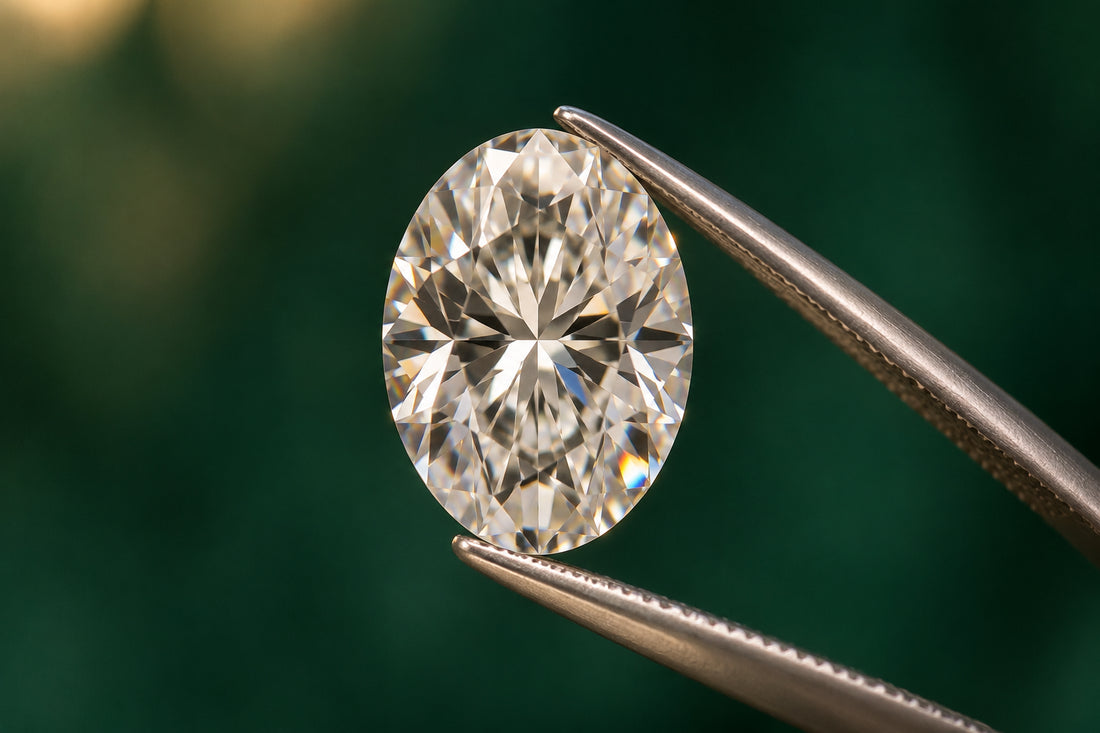
Authentic diamond
The same type of carbon crystal as natural diamond, with familiar fire and brilliance.
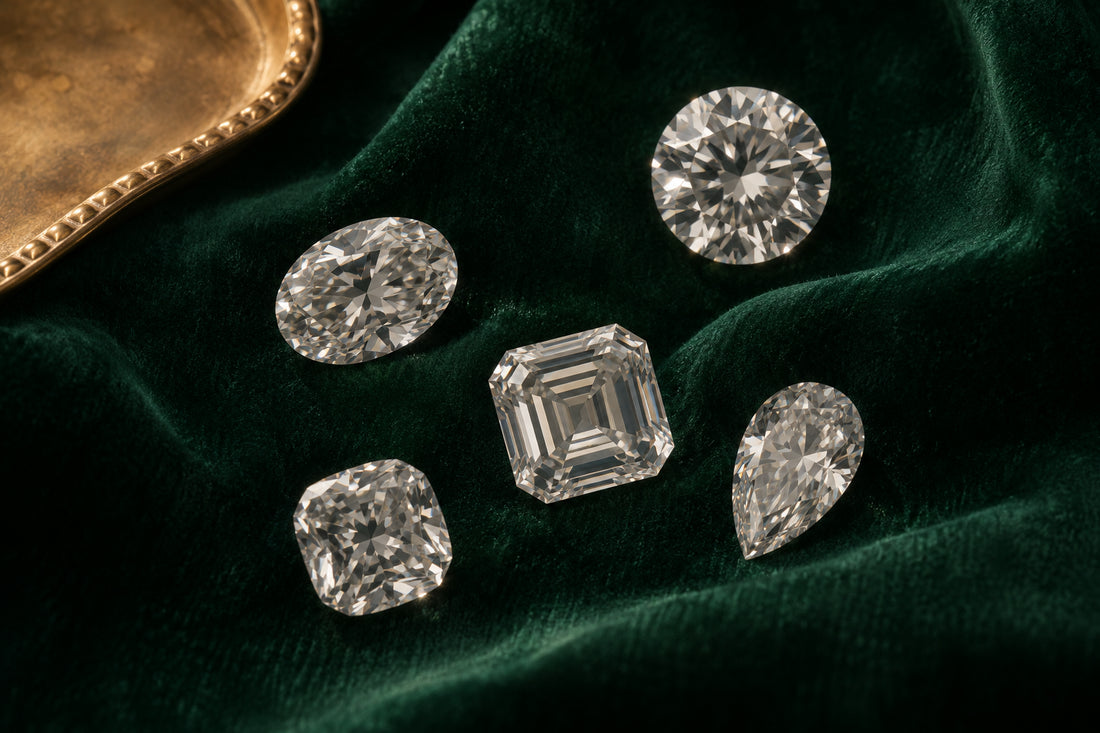
More possibilities
Typically a lower price than a comparable natural diamond, giving you more options within your budget.
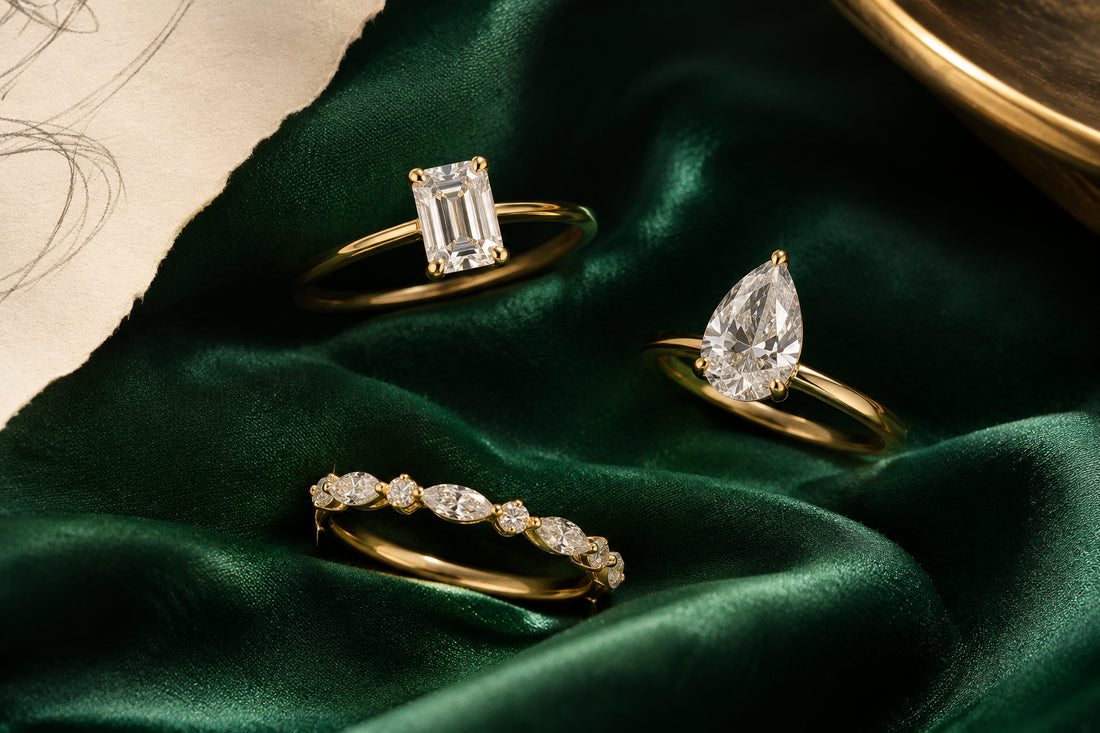
Made for your style
Choose the shape, proportions and setting that feel right for you, from understated to expressive.
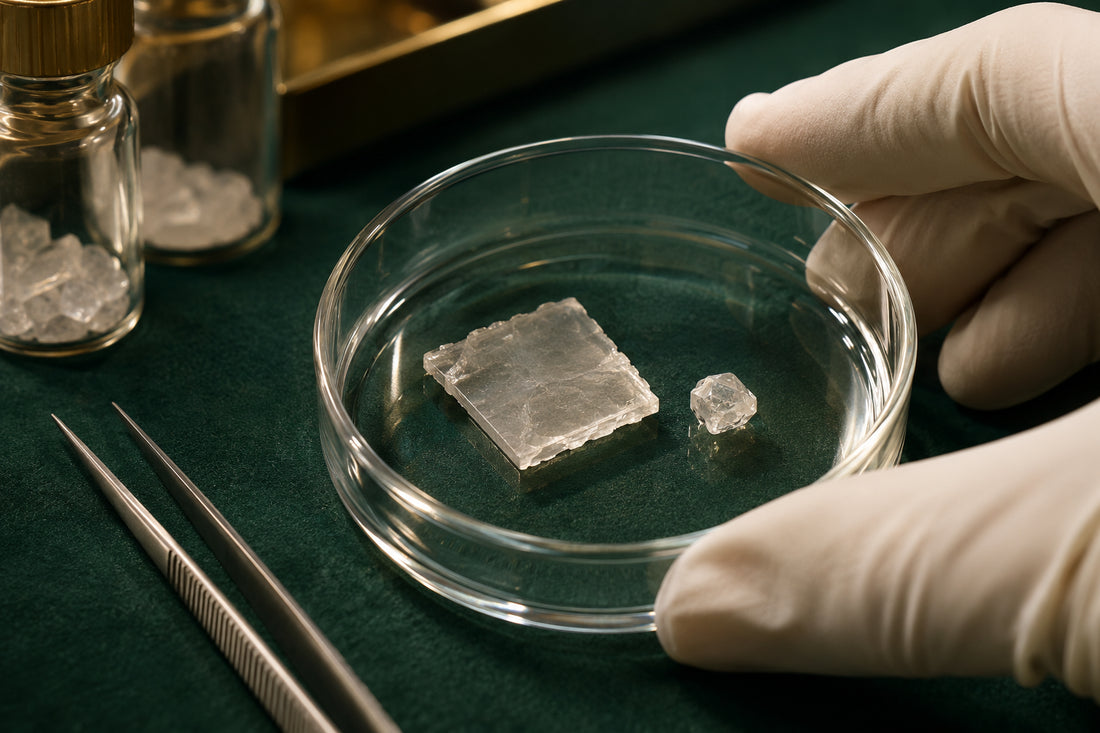
A different origin
Grown using technology rather than extracted as a diamond from the Earth. Ask about your stone’s origin and production.
Environmental impact varies by producer and energy source. Laboratory-grown does not automatically mean carbon-neutral or impact-free.
How a diamond is grown
Both methods start with a diamond seed. Skilled cutting and polishing then reveal the finished stone.
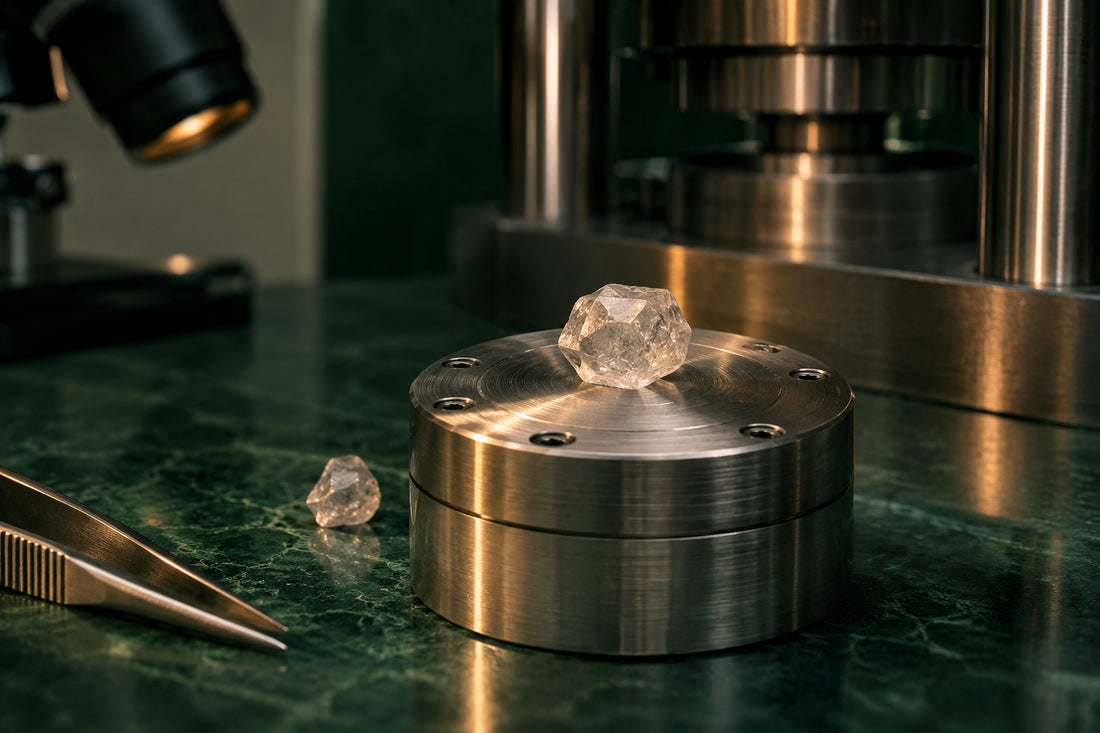
HPHT
Heat. Pressure. Diamond.
High Pressure, High Temperature growth uses a press to create conditions in which carbon crystallises around a diamond seed.
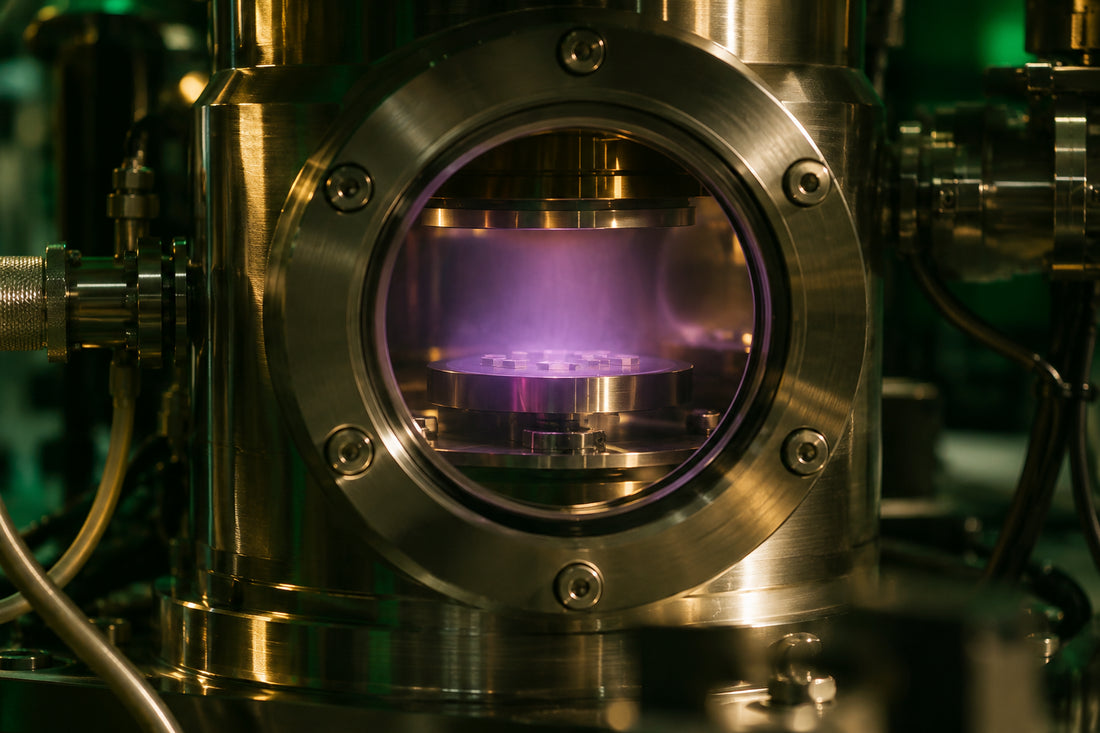
CVD
Grown layer by layer.
Chemical Vapour Deposition uses a carbon-containing gas in a chamber. Activated carbon deposits onto a diamond seed and gradually builds the crystal.
Some diamonds receive post-growth treatments to improve their colour. Ask which growth method and treatments are disclosed for the stone you are considering.
Same gemstone. Different journey.
Understanding the similarities and differences makes your choice more personal.
Swipe to compare both columns →
| What to compare | Lab-grown diamond | Natural diamond |
|---|---|---|
| Composition | Crystalline carbon | Crystalline carbon |
| Origin | Grown in a controlled laboratory | Formed naturally within the Earth |
| Hardness | 10 on the Mohs scale | 10 on the Mohs scale |
| Appearance | Diamond brilliance; quality varies by stone | Diamond brilliance; quality varies by stone |
| Identification | Specialist testing and a laboratory report disclose origin | Specialist testing and a laboratory report confirm natural origin |
| Price | Typically lower for comparable characteristics | Typically higher for comparable characteristics |
Neither origin guarantees a beautiful cut or a particular resale value. Compare the actual stone, its report and the terms of your purchase.
Beauty is in the details
Use the 4Cs as a starting point, then see how the diamond performs in the light.
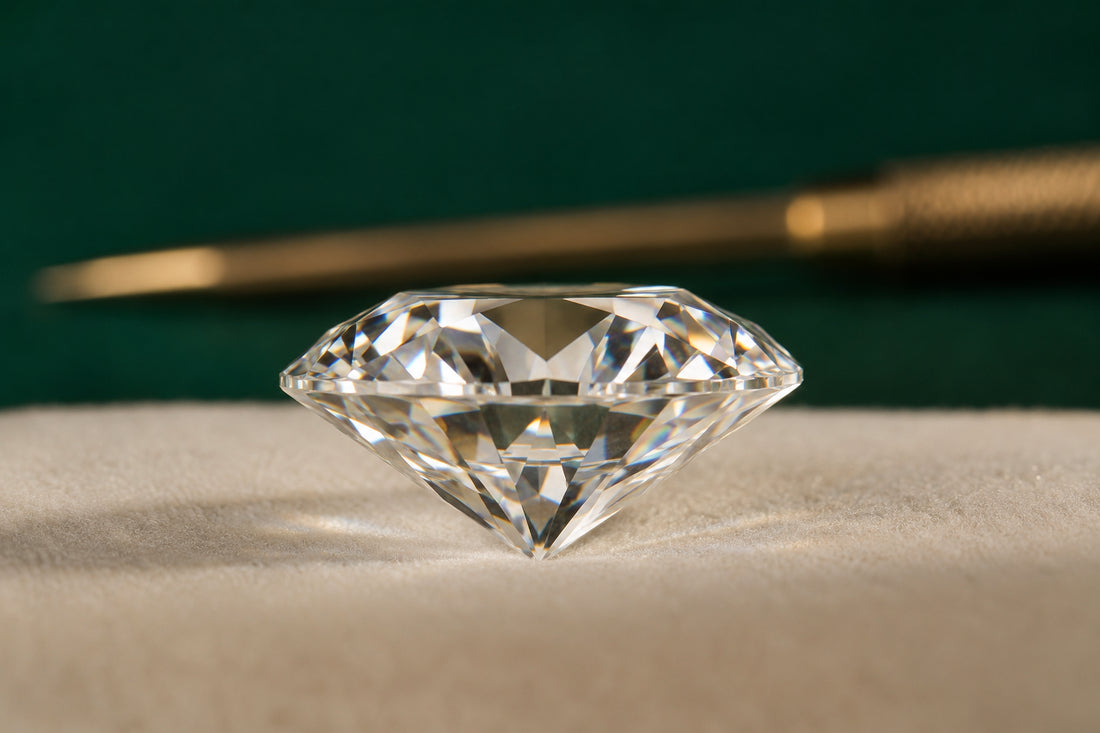
Cut
The proportions, polish and symmetry influence how a diamond interacts with light. Shape and cut quality are different things.
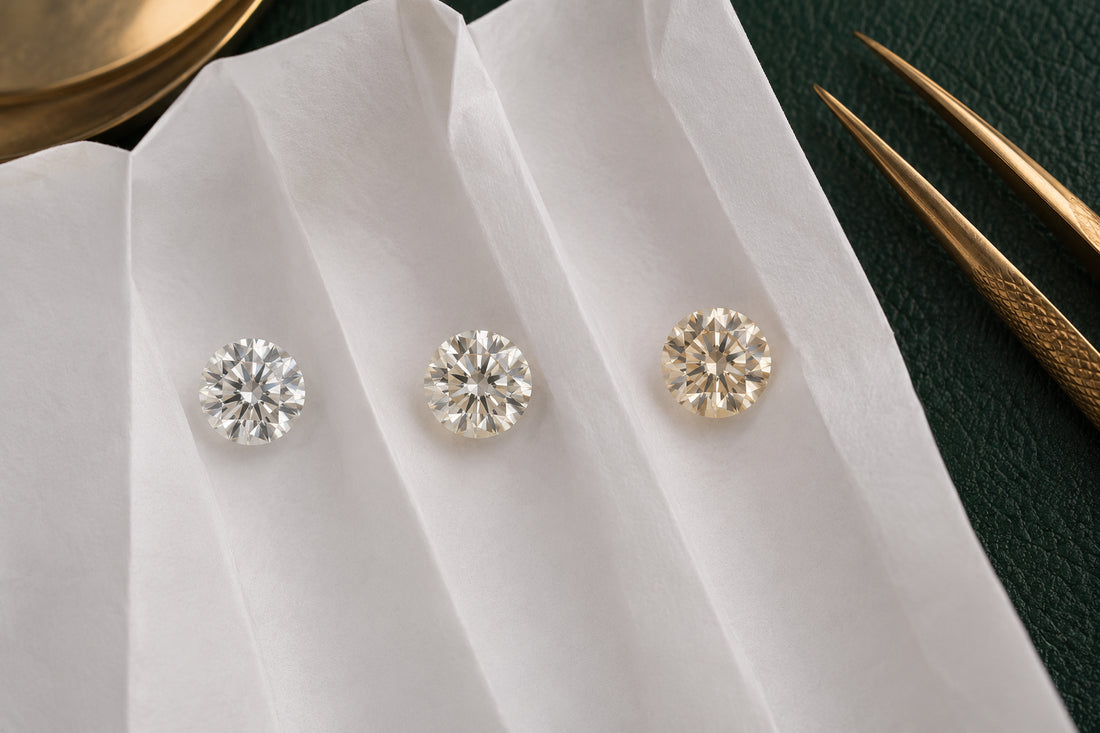
Colour
Subtle differences in body colour can affect appearance. Consider the diamond alongside your chosen metal and setting.
Clarity
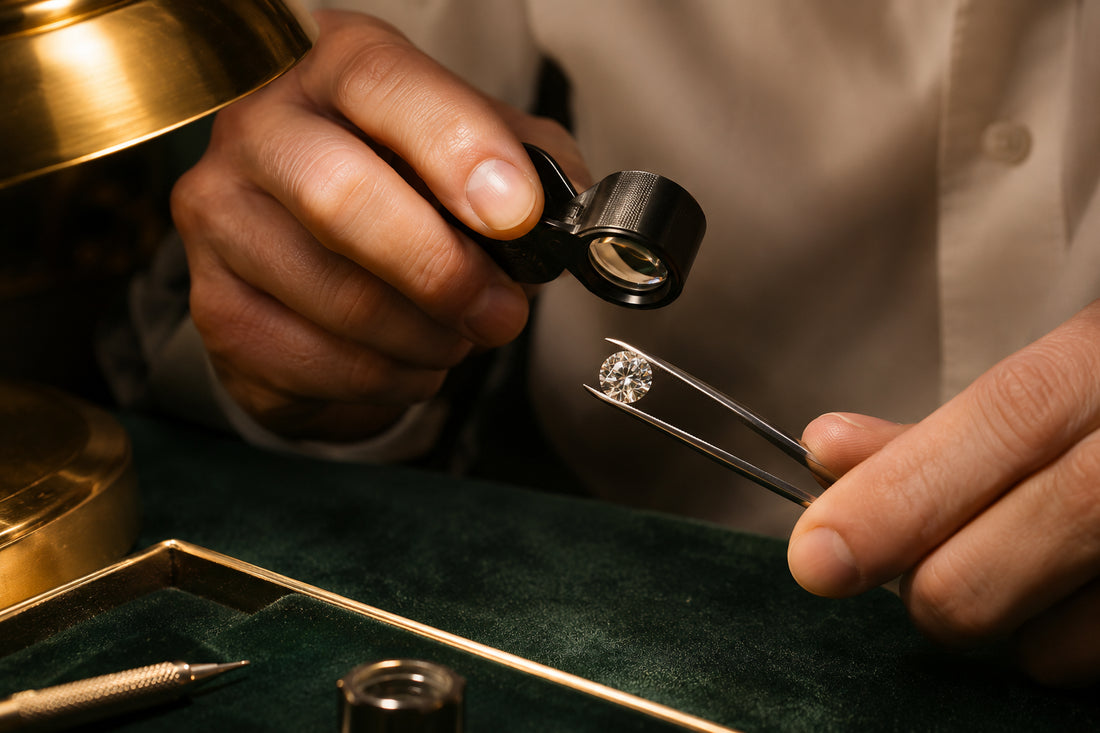
Internal inclusions and surface features are assessed under magnification. Their position and visibility matter as well as their number.
Carat
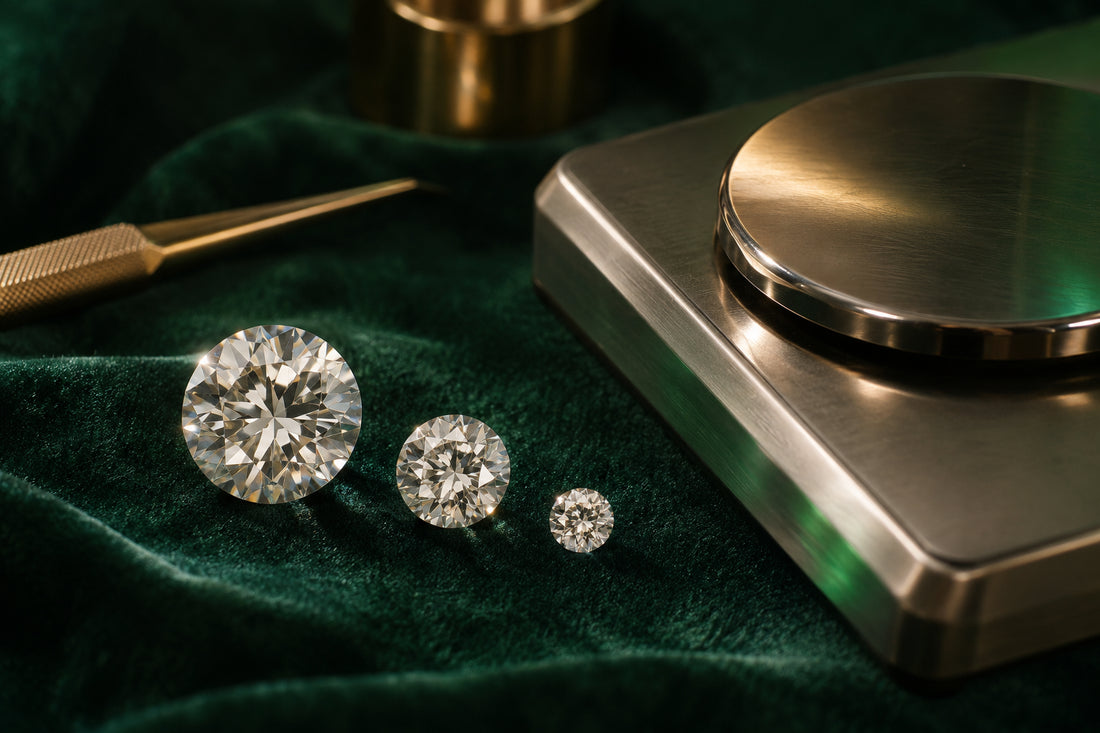
Carat measures weight: one carat equals 0.2 grams. Shape and proportions also affect how large a diamond looks.
Reporting formats vary by laboratory and report date. Read the report supplied with your specific stone rather than assuming all reports use the same grading terms.

Know the diamond behind the sparkle.
A gemological report helps identify the diamond and describes its characteristics. Look for the laboratory name, report number, laboratory-grown disclosure and the details recorded for that stone.
Verify the report number with the issuing laboratory. Where a laser inscription is recorded, ask your jeweller to help match it to the diamond.
At Mirbaha, ask our team to explain the report supplied with your chosen piece before you purchase.
Keep the brilliance. Make it a ritual.
Diamond is hard, but a sharp knock can chip it. Thoughtful care protects the stone and its setting.

Clean gently
Use lukewarm water, mild soap and a soft brush when suitable for the whole piece. Rinse carefully and dry with a soft lint-free cloth.
Give it space
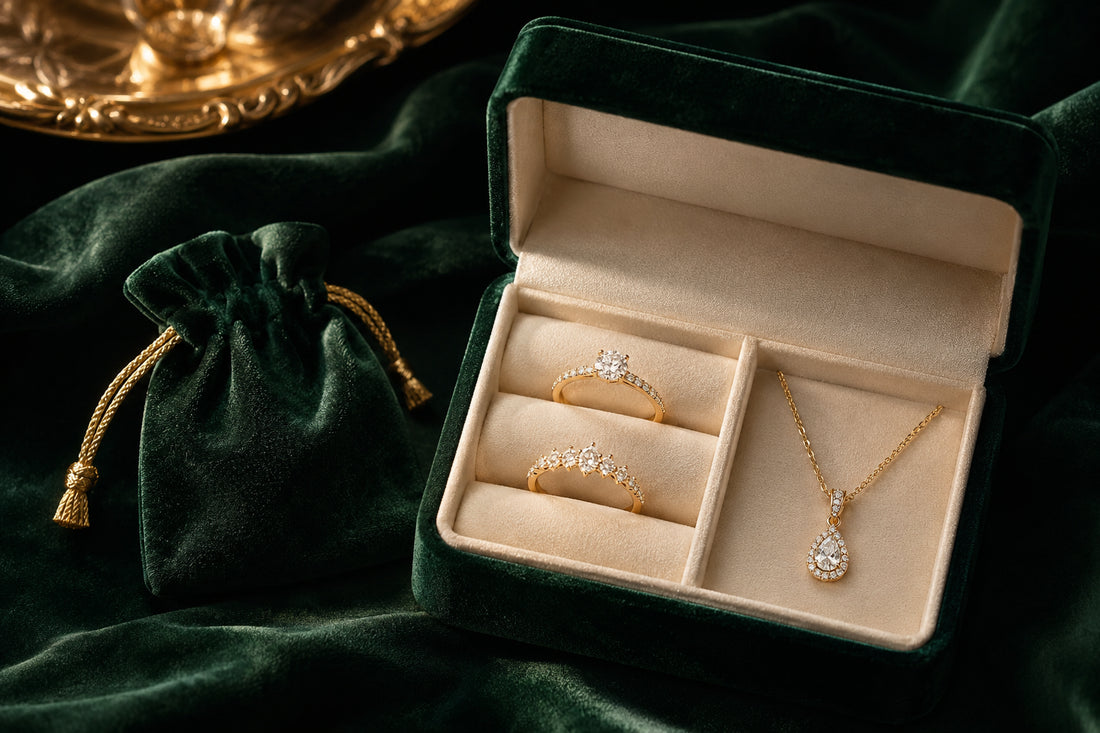
Keep each piece in a separate soft pouch or lined compartment. Remove jewellery before exercise, swimming and household cleaning.
Check the setting
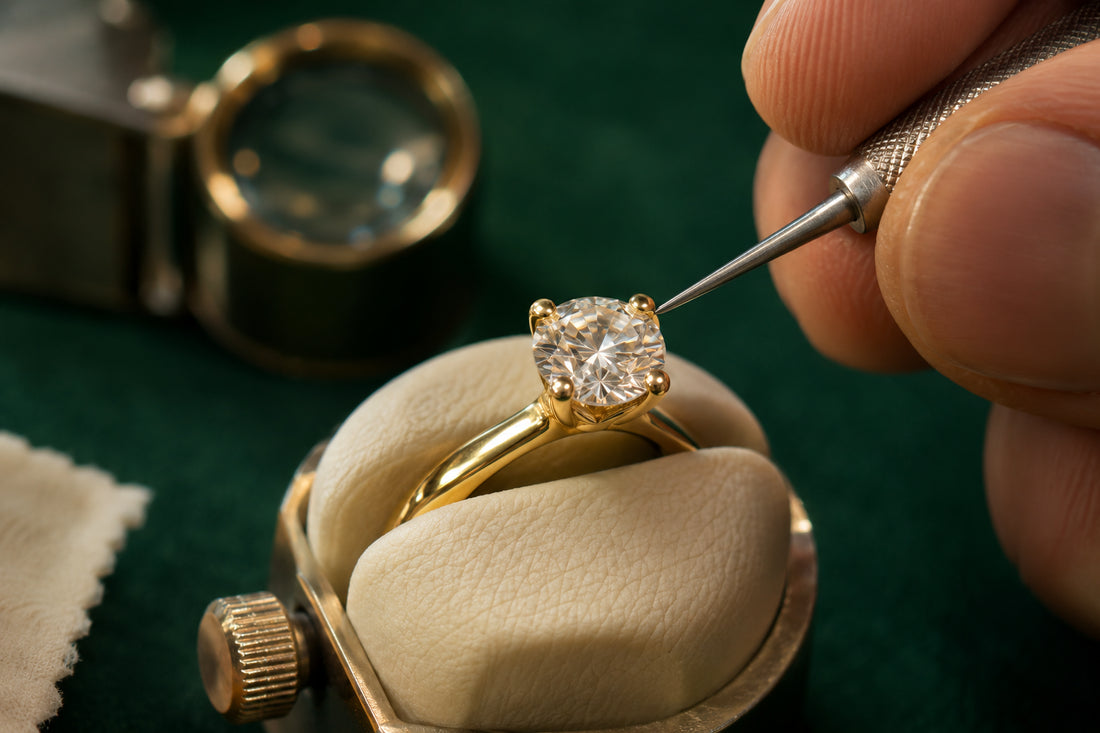
If a stone moves, a claw catches or your ring takes a knock, stop wearing it and arrange a professional inspection.
These tips suit many diamond pieces. Mixed gemstones, delicate finishes and certain settings need different care; ask your jeweller before cleaning.
A little clarity, before you choose.
Your questions about laboratory-grown diamonds, answered simply.
Are lab-grown diamonds real diamonds?
Yes. They have the diamond crystal structure and characteristic diamond properties. Their laboratory origin distinguishes them from natural diamonds; they are not cubic zirconia or moissanite.
Can you tell the difference just by looking?
Usually not by the unaided eye. Gemological laboratories use specialist instruments to identify growth features and establish origin. A basic diamond tester does not reliably distinguish laboratory-grown from natural diamond.
Do lab-grown diamonds become cloudy or lose their sparkle?
A diamond does not normally become cloudy simply because it was grown in a laboratory. Surface oils and everyday residue can dull its appearance; suitable cleaning restores its visible brilliance. Damage and inclusions can also affect appearance.
Are all lab-grown diamonds graded in the same way?
No. Report formats and terminology differ. For example, GIA now uses Premium or Standard quality assessments for its eligible colourless to near-colourless laboratory-grown diamonds. Other laboratories and older reports may present individual 4C grades. Check the actual report.
Is a lab-grown diamond always the more sustainable choice?
No blanket claim is reliable. Production uses energy and resources, and impacts depend on the producer, energy mix and supply chain. Ask for specific, verifiable information behind any environmental claim.
Will my diamond hold its value?
Future resale value is not guaranteed. Prices and demand change, and resale offers may be substantially below the original purchase price. Choose for wear and enjoyment, and ask for any applicable exchange or upgrade terms in writing.
Can Mirbaha help me create a custom piece?
Yes. Speak with our team about your preferred diamond shape, metal, setting and budget. We can discuss your design and confirm the available options, report details, pricing and timing before you decide.
Find the diamond that feels like you.
Explore Mirbaha’s collection or speak with our Dubai team about creating something personal.

