

Jewellery care guide
A little attention, a lasting connection. Simple rituals to care for the pieces you reach for every day.


Brilliance begins with gentle care
Diamonds are exceptionally hard, but a sharp knock can still chip a stone or damage its setting. Handle a ring by the band where possible and avoid pressing on delicate claws.
Oils and residue can soften its sparkle. For suitable, securely set diamond jewellery, a little lukewarm water, mild soap and a very soft brush can lift everyday buildup. Dry gently with a clean, lint-free cloth.
Natural and lab-grown diamonds need the same thoughtful care. Check the whole piece: its metal, setting, other gemstones and any treatments.
Small habits. Lasting beauty.
Make jewellery the finishing touch to your day, and give it a safe place when you take it off.
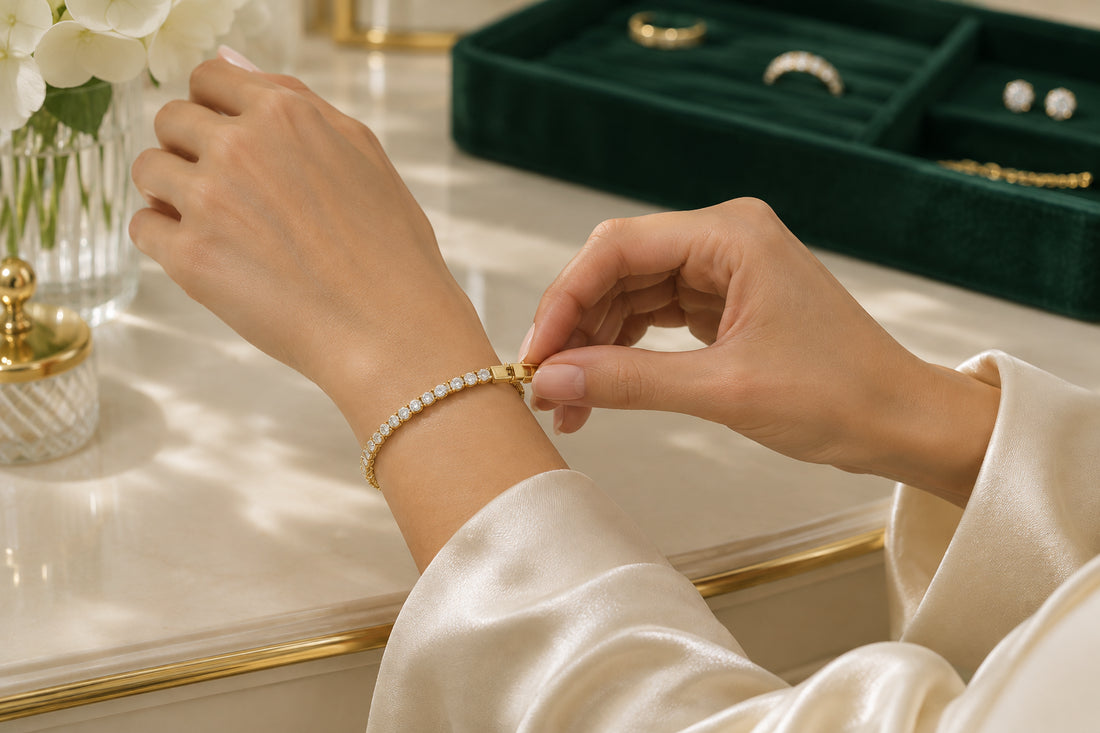
01 / Wear thoughtfully
Last on, first off
Put jewellery on after dressing. Take care around hair, knitwear and fastenings so fine chains and settings do not catch.
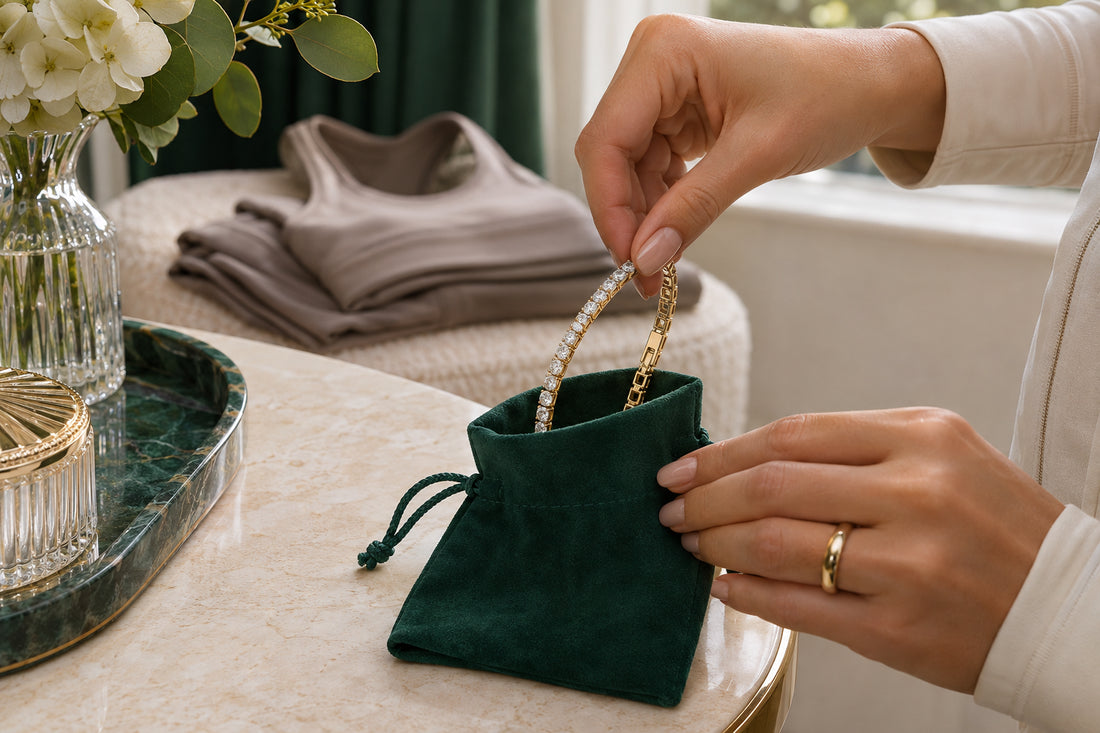
02 / Give it a rest
Pause before activity
Remove pieces before exercise, swimming, gardening and housework. Pressure, impacts and household chemicals can affect both stones and metal.
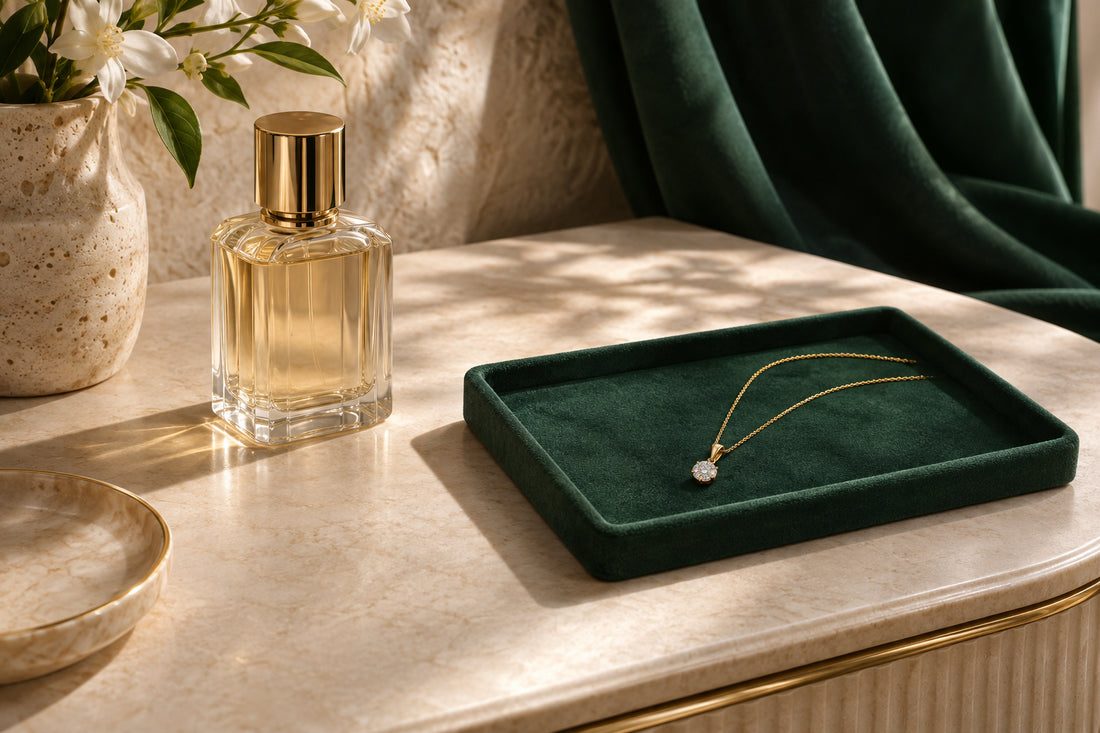
03 / Finish your routine
Keep products at a distance
Apply fragrance, creams and cosmetics before putting jewellery on, allowing products to dry. Avoid spraying directly onto your pieces.
Care for every precious metal
Choose a cleaning method for the finish and gemstones in your piece, as well as the metal beneath them.
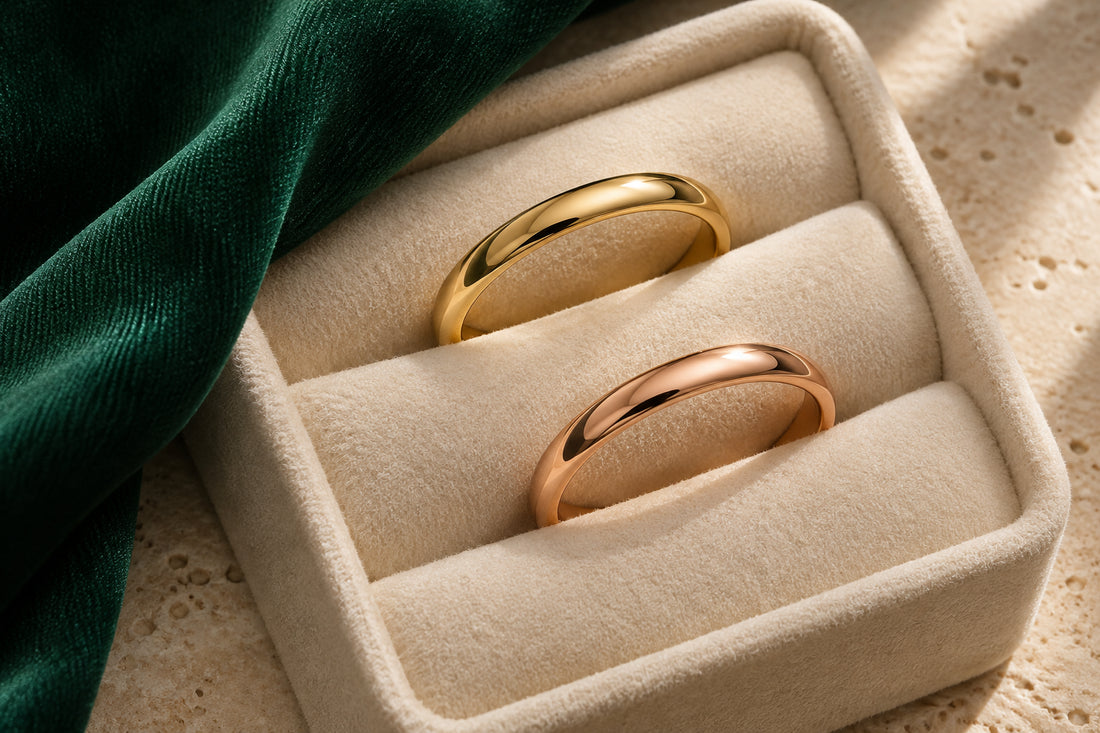
Warm tones
Yellow & rose gold
Gently wipe away everyday marks with a soft cloth. For suitable pieces, use mild soap and lukewarm water, then dry well. Avoid abrasive products and household bleach.
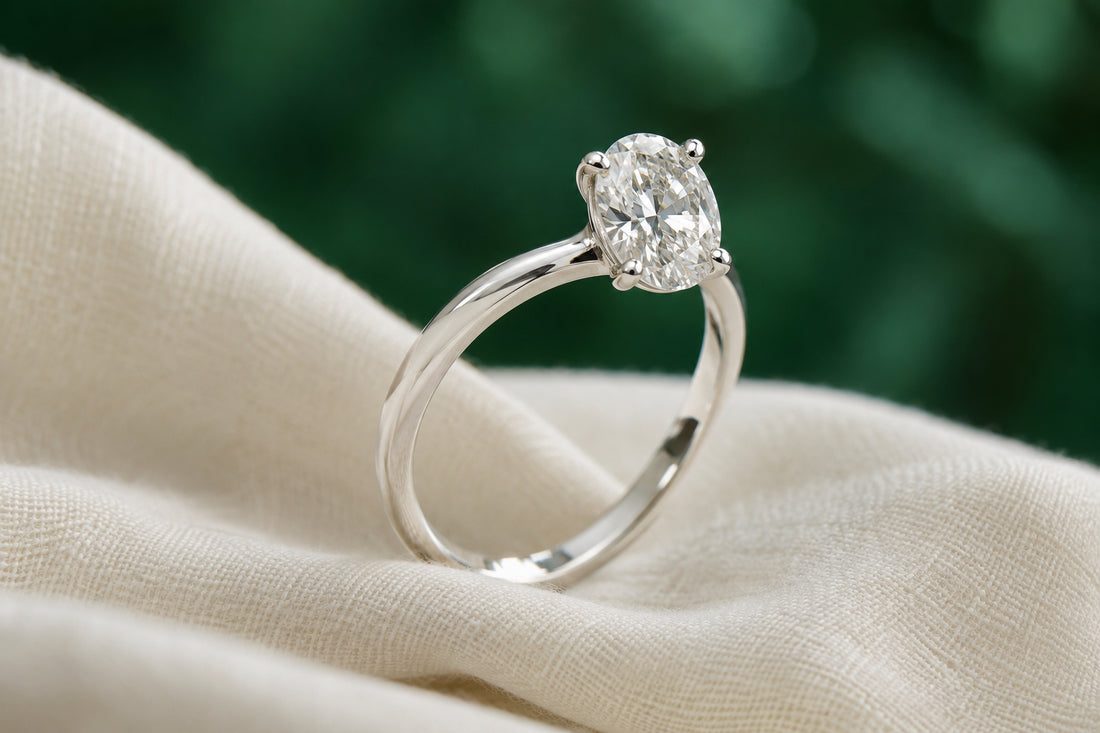
Bright finish
White gold
White gold is often rhodium plated. Protect the finish from abrasive cleaning and ask your jeweller about any change in colour or lustre. Replating needs depend on wear.
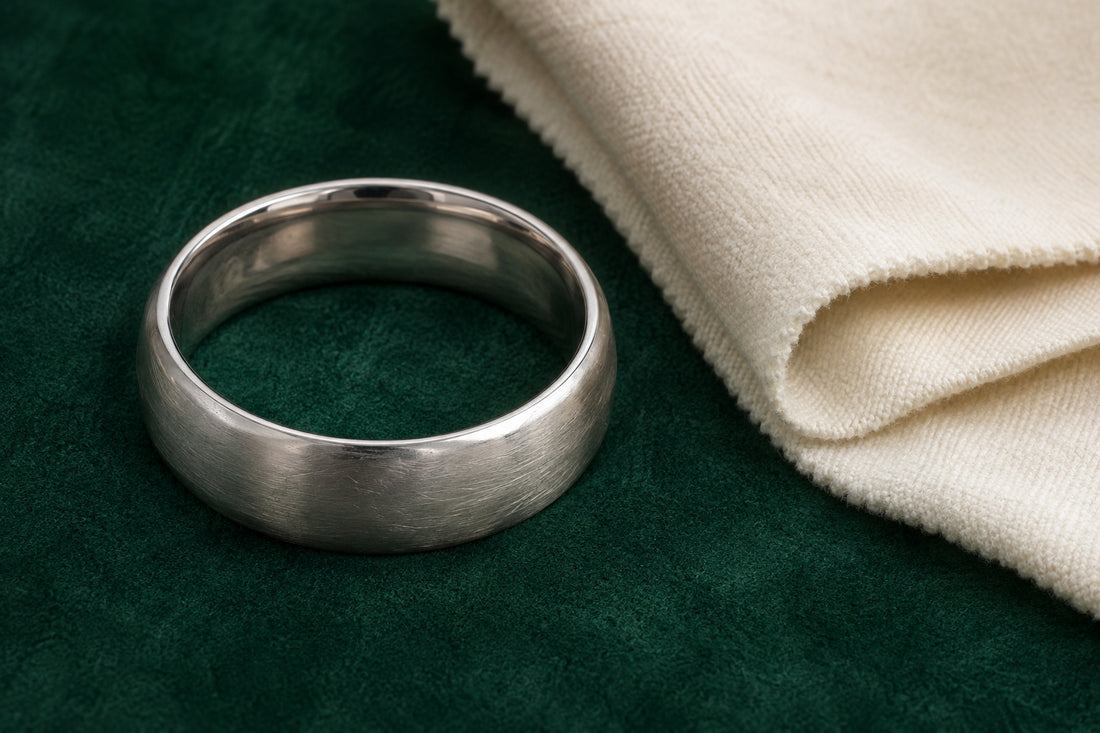
Quiet lustre
Platinum
A soft cloth and gentle cleaning suit many platinum pieces. Surface marks can develop into a soft patina; ask a jeweller about professional refinishing if you prefer a brighter polish.
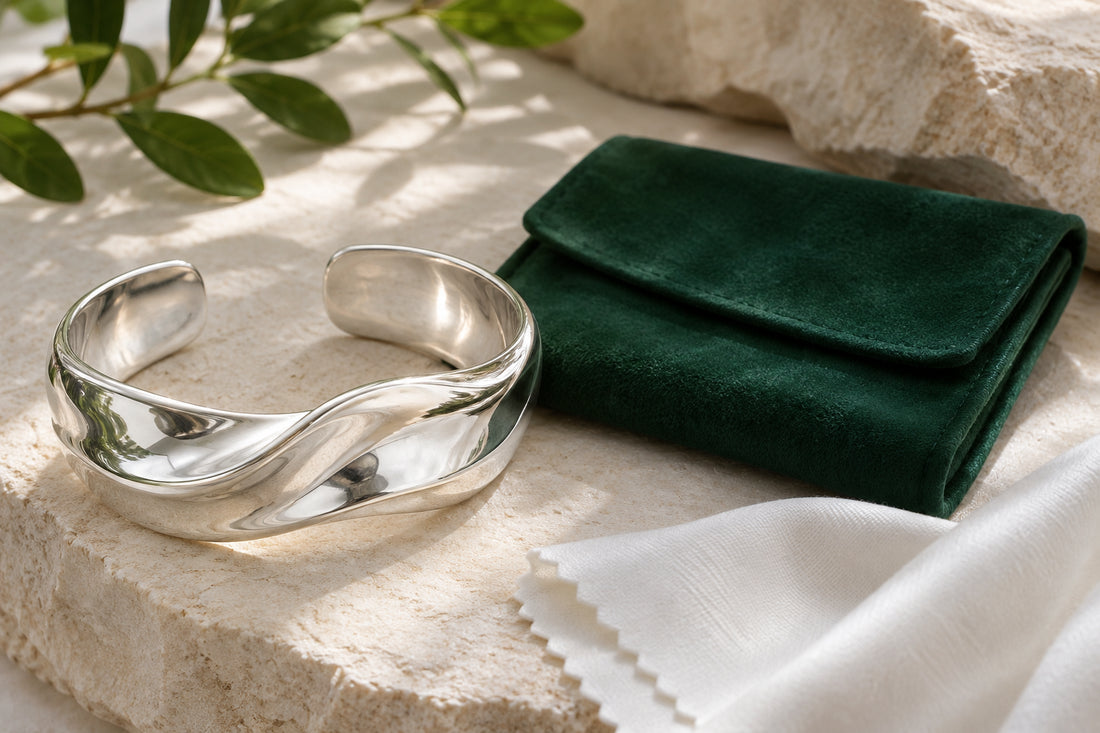
Thoughtful storage
Sterling silver
Keep silver dry and store it separately in a suitable anti-tarnish pouch. Use a silver cloth only where appropriate for the piece; plated, oxidised or gem-set finishes may need different care.
Follow the care instructions supplied with your piece. If the finish, gemstone or treatment is uncertain, ask before using a cleaner.
A gentle cleaning ritual
These steps are for suitable diamond jewellery in good condition. Check for loose stones or damaged settings first, and clean one piece at a time.

A soft brush, a clean bowl and a lint-free cloth: keep your care tools simple.
Rings
- Prepare a small bowl of lukewarm water with a little mild soap.
- Gently brush around and behind a secure diamond setting with a very soft, clean brush.
- Rinse in a separate bowl of clean water, away from an open drain.
- Pat dry with a lint-free cloth. Do not force the brush beneath fine claws.
Necklaces & pendants
Support the pendant and chain while cleaning. Avoid tugging on fine links or pulling knots tight. Rinse carefully in a bowl and lay flat on a clean cloth until fully dry, then fasten the clasp before storing.
Bracelets
Support the bracelet along its length and brush gently around secure settings and links. Avoid twisting flexible designs. Dry thoroughly, and check that the clasp and safety catch close properly before wearing.
Earrings
Clean suitable earrings and their removable backs separately, keeping the small parts in a bowl or tray. Brush gently around secure settings and dry fully before reassembling. For fresh piercings, follow your piercer’s aftercare instructions.
Pearls, opals, emeralds, treated stones, glued settings and mixed-material pieces may need specialist care. Ask before soaking or using any cleaning product.

A place for every piece
Give rings their own padded slots and keep earrings paired. Fasten necklace clasps and lay chains separately to help prevent tangles.
For travel, use a structured jewellery case with individual compartments. Keep pieces from rubbing against one another, and let them dry completely before putting them away.
Store jewellery thoughtfully between wears, away from humidity, strong heat and direct sunlight. Follow any special storage instructions for delicate gemstones.

Notice the little changes
A catching claw, a clasp that no longer feels secure or a stone that moves deserves attention. Stop wearing the piece and keep it safely in a padded box until it can be assessed.
Regular checks help identify wear around settings, links and fastenings. Send us a photograph and tell us what you have noticed so we can discuss the next step.
Care, made clearer
A few useful answers for the pieces you wear and love.
How often should I clean my diamond jewellery?
Base your routine on how often you wear the piece and how much residue it collects. A gentle wipe after wear helps. If sparkle looks reduced or buildup remains, ask about a suitable deeper clean and setting check.
Can I use toothpaste, bleach or household cleaners?
Avoid them. Abrasive products can scratch or wear finishes, and strong chemicals can damage precious-metal alloys or gemstones. Use a method confirmed as suitable for the entire piece.
Is an ultrasonic cleaner suitable for every diamond ring?
No. Vibrations can loosen stones, and some treatments or other gemstones may be unsuitable. Have a qualified jeweller assess the piece before using ultrasonic or steam cleaning.
Do lab-grown diamonds need different care?
The basic care approach is the same as for natural diamonds. The setting, metal, treatments and any other materials in the jewellery determine which cleaning methods are suitable.
What should I do if a stone feels loose?
Stop wearing the jewellery. Place it in a padded box and contact Mirbaha on WhatsApp for guidance. Avoid further cleaning or trying to adjust the setting yourself.
Can I ask about care for a specific piece?
Yes. Send a photograph and any purchase or material details to Mirbaha on WhatsApp. We can discuss care and any inspection or service options that may be appropriate.
A little care advice, whenever you need it
Tell us about your Mirbaha piece and we’ll help you understand the care it needs.

